Preparing Properties for Development and Improvement
Lot Clearing in Litchfield for properties where vegetation or existing conditions must be removed before work begins
Properties with brush or overgrown vegetation need clearing before development starts. The process involves evaluating what to remove and what to keep, followed by systematic clearing to prepare the land. Evergreene Earthworks approaches lot clearing in Litchfield by considering the land's intended use and coordinating with site preparation, landscaping, or excavation services for efficient transition to the finished project.
Clearing includes removing vegetation and obstacles, with the extent varying based on future plans. Some projects require selective clearing to preserve certain features, while others may need comprehensive removal. Factors like drainage patterns, property boundaries, and access also influence the execution.
Contact Evergreene Earthworks for a site-specific estimate to discuss your property clearing needs.
What Lot Clearing Prepares Your Property For
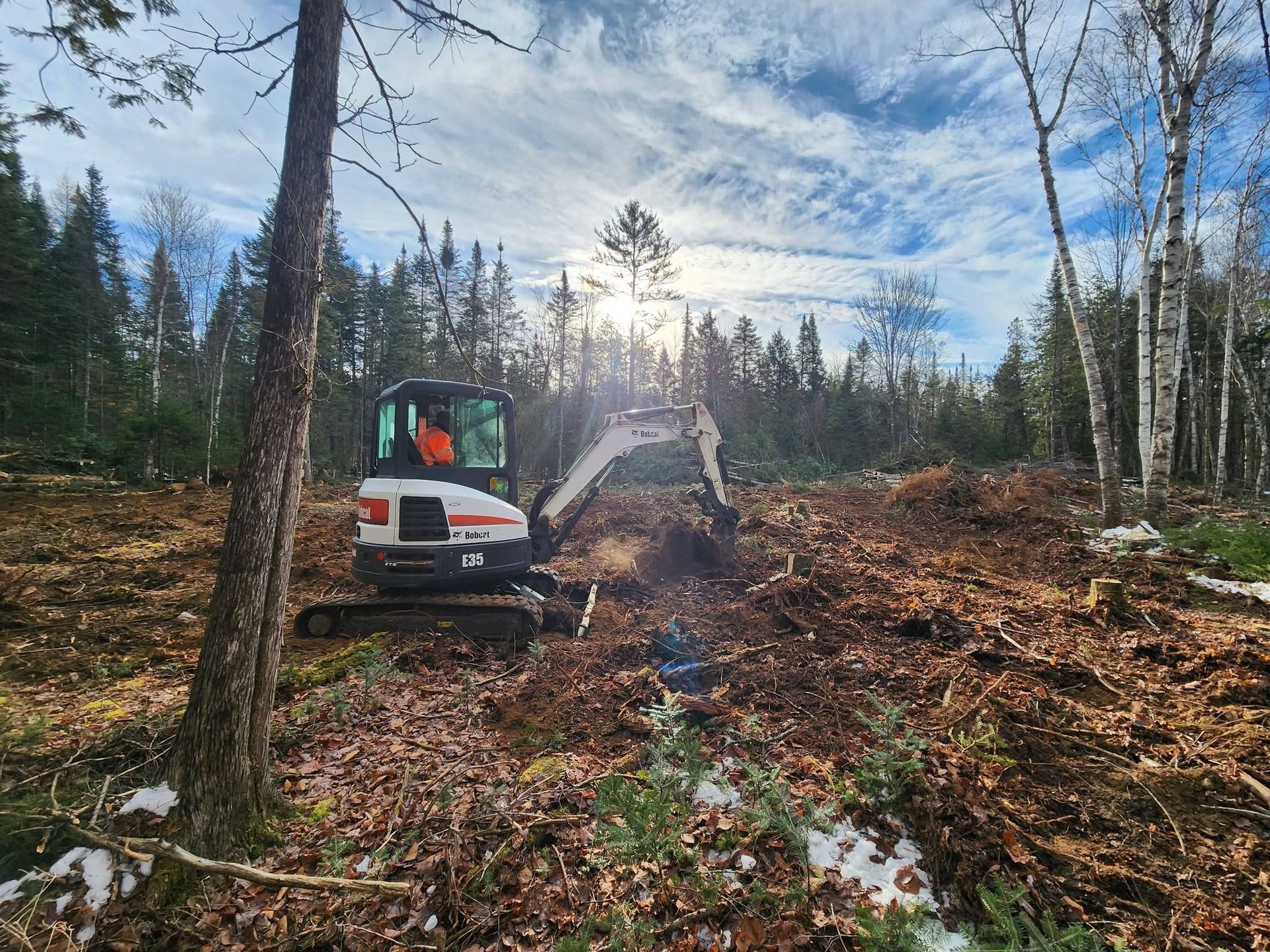
Work starts by identifying the clearing boundary, then removing vegetation and brush. The approach depends on equipment access and site conditions, aiming to prepare the property without causing erosion or drainage issues. In Litchfield, clearing must consider how removal affects water movement and which features to preserve for the property's character.
Once clearing is done, you'll see open land that allows easier evaluation for grading and development. Cleared lots expose the topography and soil conditions, aiding decisions about site preparation and landscaping.
Clearing should be planned with future needs in mind, coordinating with site preparation to save time and avoid redundancy. The scope should also address what happens to cleared materials, access during and after the process, and protection for any important site features.
What to Know Before Clearing Your Lot
Residential and commercial property owners preparing land in Litchfield frequently ask these questions before starting a lot clearing project.
What factors determine how much clearing is required?
The intended use of the property, the density of existing vegetation, and what features should remain all influence the clearing scope. Some projects require clearing the entire lot, while others involve selective removal to preserve specific trees, natural drainage features, or boundary vegetation.
How does lot clearing connect to other site work?
Clearing is typically the first step before site preparation, driveway construction, or landscaping begins. Coordinating these phases allows the project to move efficiently from cleared land to finished improvements without requiring multiple site visits or duplicated effort.
What happens to vegetation and debris after clearing?
Material is handled according to the project's scope and your preferences, which may involve removal, chipping, or stockpiling for other uses. The method depends on the type and volume of vegetation, site access, and whether any cleared material has value or should be disposed of off-site.
Can selective clearing be done to preserve certain features?
Clearing can be planned to leave mature trees, natural drainage features, or other site elements intact while removing surrounding vegetation. This requires identifying which features to protect before work begins and adjusting equipment use and clearing boundaries accordingly.
When should lot clearing be scheduled relative to other phases of development?
Clearing should happen before any grading, construction, or landscaping work begins, and ideally during seasons when soil conditions and weather allow efficient access and minimize site disturbance. In Litchfield, dry periods in late spring through early fall often provide the best conditions for clearing without creating rutting or erosion problems.
Evergreene Earthworks evaluates your property's current condition and the project's overall goals before recommending a clearing plan. Call (207) 522-3733 to walk the property, discuss what should be cleared and what should remain, and receive a detailed estimate based on site-specific requirements.