
Access Built to Last Through Maine Seasons
Driveway Installation in Litchfield for properties requiring excavation, grading, and full construction from existing ground conditions
Evergreene Earthworks manages driveway installation through excavation, grading for drainage, and surface construction. Driveways in Litchfield face unique soil conditions and drainage patterns impacting construction. This process caters to both residential and commercial needs, ensuring durability against vehicle use and weather.
Installation begins by assessing ground conditions and water flow. Excavation removes unsuitable material, grading shapes the slope, and construction forms a surface that withstands vehicle loads and freeze-thaw cycles. The excavation depth, base material, and surface type depend on site evaluation and property needs.
Schedule a site evaluation to discuss your driveway layout and preparation requirements.
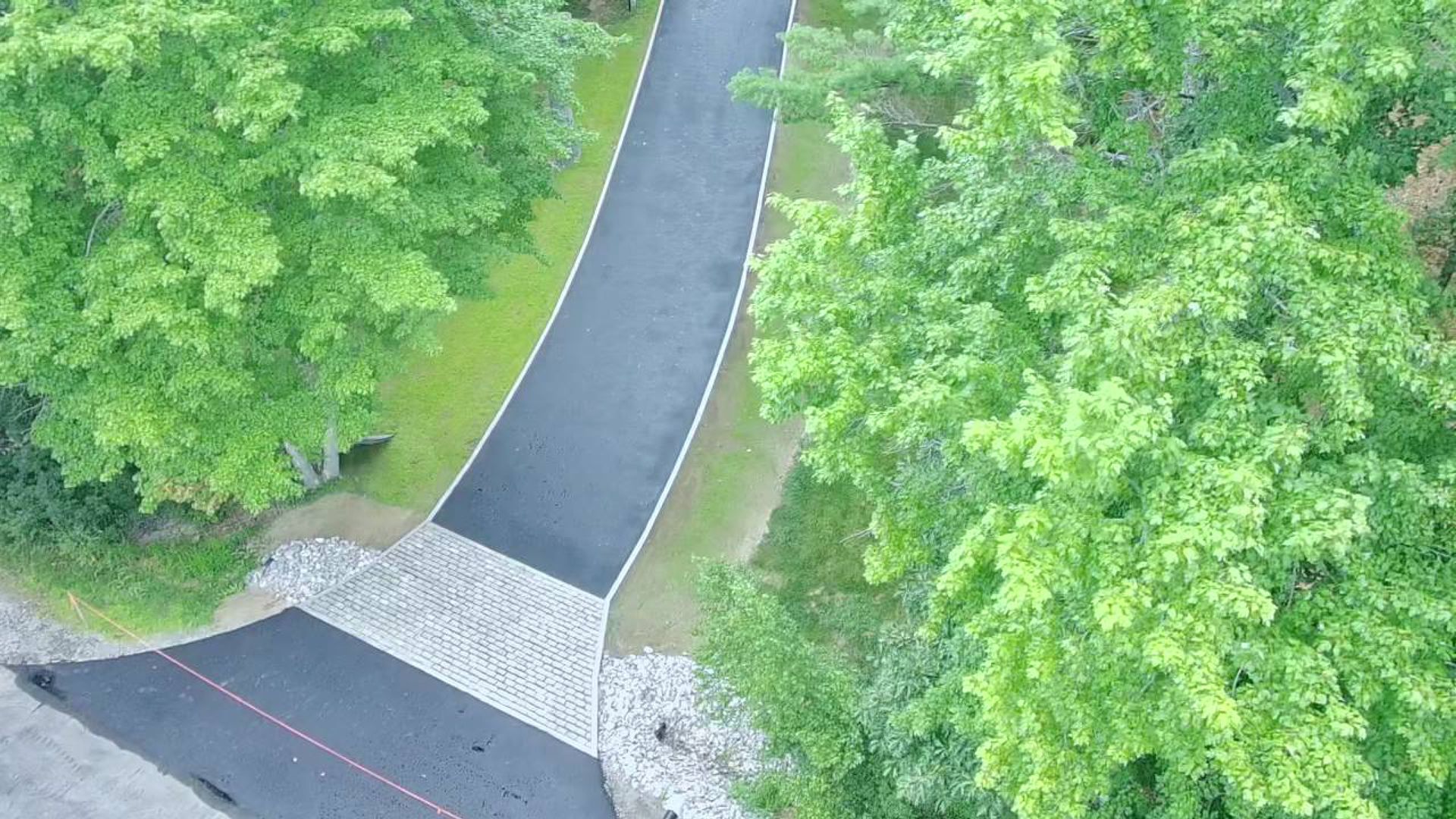
What Proper Driveway Installation Requires
The preparation phase is crucial for ensuring the driveway withstands use and seasonal conditions. Excavation depth depends on soil type, moisture, and unstable materials that must be removed for a stable base. Grading facilitates water drainage away from structures, while base material compaction prevents settling and surface failure.
After installation, the driveway will effectively shed water, support vehicle weight without sagging, and maintain its grade through seasonal changes. Evergreene Earthworks ensures driveways function correctly from day one, with drainage patterns directing water away to prevent pooling and erosion. Proper preparation addresses factors that lead to driveway failures.
While residential driveways focus on access for a single home and light traffic, commercial ones need wider surfaces, stronger bases, and layouts for delivery vehicles and customers. Despite varying property types, the importance of proper excavation, grading, and base preparation remains the same.
What Property Owners Usually Ask
Questions about driveway installation often focus on site preparation, material decisions, and how existing property conditions affect the work required.
What happens during site preparation before driveway construction begins?
Excavation removes existing vegetation, topsoil, and any unstable material down to a depth where firm ground or suitable base material can be placed, and grading establishes the elevations and slopes that will guide drainage once the driveway is built.
How does the existing property layout affect the installation process?
The current grade, location of structures, drainage patterns, and soil type all influence how much excavation is needed, where water must be directed, and what base preparation will provide adequate support for the finished surface.
When should driveway installation be scheduled in Litchfield?
Installation is most straightforward when ground conditions allow excavation and compaction equipment to operate effectively, typically outside of saturated spring conditions or frozen winter ground that complicates base preparation.
What factors determine the material options for a new driveway?
The intended use, vehicle loads, budget, and site conditions guide material selection, with each option requiring specific base preparation and construction methods to perform correctly.
How does driveway installation address drainage concerns?
Grading during installation directs water off the driveway surface and away from structures, and the construction process can include measures to manage water that crosses or collects near the driveway area.
Evergreene Earthworks evaluates each property individually to determine the preparation and construction steps that will produce a functional, durable driveway. Contact the team at (207) 522-3733 to request a site evaluation and discuss your proposed driveway project in detail.