Surfaces Shaped for Drainage and Daily Use
Driveway Grading in Litchfield for properties with uneven surfaces, standing water, or driveways requiring reshaping before use or improvement
A driveway that collects water, shows ruts, or has uneven grading needs restoration. Evergreene Earthworks offers driveway grading to correct slopes, remove low spots, and ensure proper water drainage. Over time, properties in Litchfield can experience drainage issues due to shifting gravel, settling soil, or inadequate grading for actual water flow patterns.
Grading adjusts the driveway surface by cutting high spots, filling low areas, and creating slopes that direct water away from structures. This process can involve minor reshaping or full site preparation before construction. The necessary grading extent depends on how much the current surface needs adjustment and which drainage issues must be fixed.
Schedule an on-site consultation to evaluate your driveway's grade and pinpoint reshaping needs.
How Grading Addresses Surface and Drainage Problems
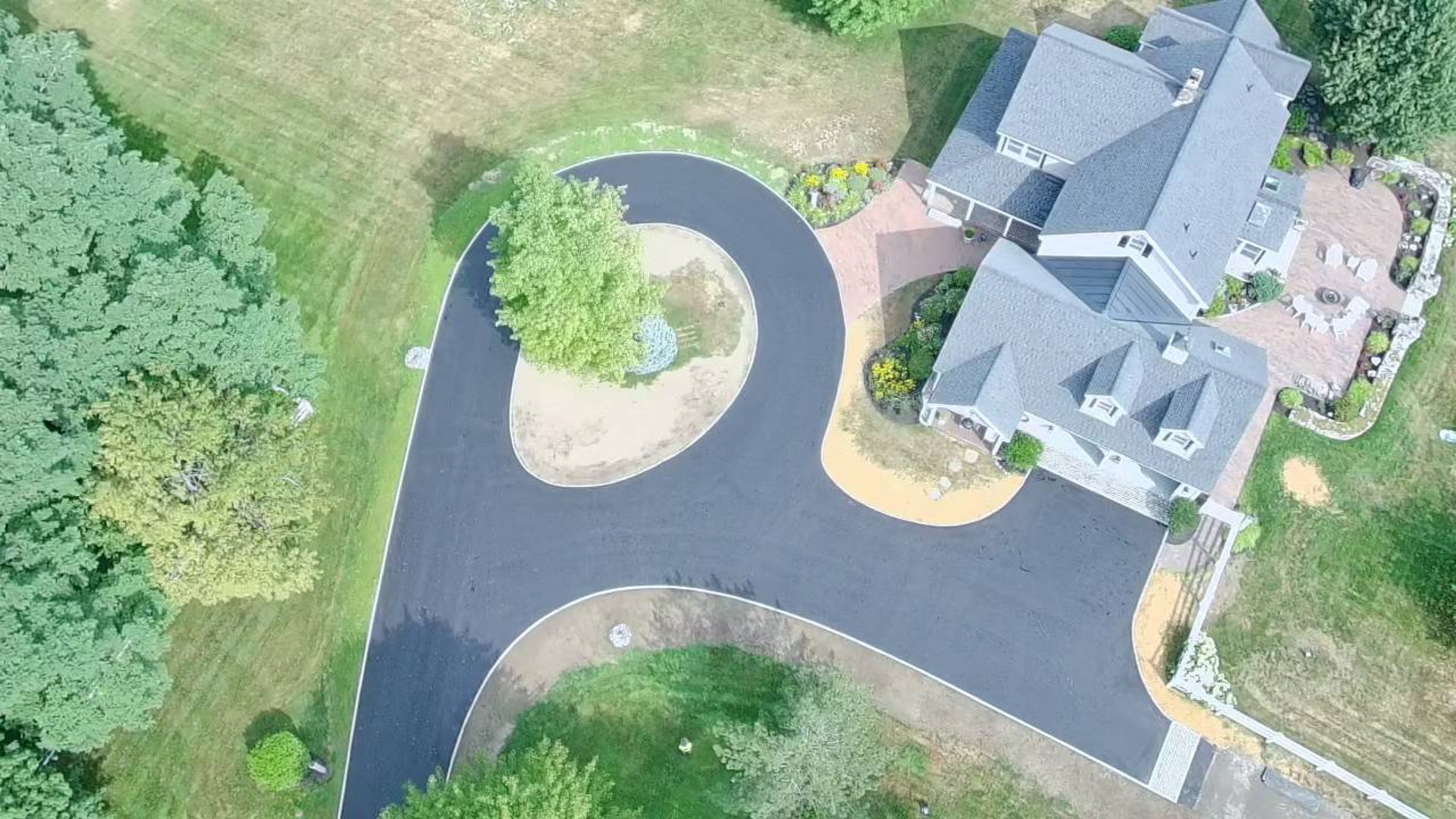
When a driveway lacks proper slope, water collects in low spots, saturating the base, freezing in winter, and accelerating deterioration. Grading establishes a crown or cross-slope to direct water to the edges and prevent ponding. Operators adjust elevations and compact material to create a stable surface that can support vehicle loads.
After grading, water will sheet off the surface instead of pooling, and vehicle traffic won’t create deep ruts in softer areas. The consistent grade mitigates issues from uneven elevations and poor drainage.
Grading can be a standalone service to fix existing driveway issues or part of a larger installation where proper grade is essential before final materials are added. Commercial properties may require broader grading for access and parking, while residential projects often focus on addressing specific problem areas.
Answers to Frequent Service Questions
Grading questions typically address what the service involves, how existing conditions affect the work, and when grading is needed versus complete driveway reconstruction.
What does driveway grading actually accomplish?
Grading reshapes the driveway surface to establish slopes that direct water away from the center and off the edges, eliminates low spots that trap water, and creates a stable, even surface for vehicle use.
How do I know if my driveway needs grading or full replacement?
If the base material is still intact and the primary issue is surface unevenness or minor drainage problems, grading may restore function, but driveways with failed bases, deep rutting, or structural settling often require excavation and reconstruction.
When is the best time to schedule grading work in Litchfield?
Grading is most effective when the ground is workable but not saturated, allowing equipment to shape and compact the surface without creating additional rutting or soft spots.
What happens to the material already on my driveway during grading?
Existing gravel or surface material is typically redistributed during grading to fill low areas and establish the correct slope, though additional material may be needed if the current surface lacks sufficient depth.
Can grading improve drainage without changing the driveway layout?
Grading adjusts elevations within the existing driveway footprint to correct slopes and remove depressions, which often resolves drainage issues without requiring a new driveway route or expanded width.
Evergreene Earthworks evaluates driveway conditions and site-specific drainage patterns to determine whether grading will address the issues or if additional work is needed. Reach out to (207) 522-3733 to discuss your property's driveway grading needs and schedule a site visit.