
Designed Lawn Installation From Prepared Ground
Hydroseeding in Litchfield for new lawn projects and restoration work requiring planned site preparation and professional application
A professionally planned hydroseeding project begins with evaluating the soil, selecting seed varieties, preparing the ground, and scheduling follow-up care to support germination. Evergreene Earthworks provides hydroseeding in Litchfield as a complete lawn installation service, not a simple seed application — used for new lawn areas or for restoring lawns that have failed or thinned beyond effective overseeding.
Site preparation includes removing debris, grading for drainage, and loosening compacted soil so seed contact and root penetration happen uniformly. The hydroseed slurry is applied under controlled pressure to distribute seed, mulch fiber, and starter nutrients evenly. Follow-up watering maintains moisture during the germination window, typically ten to fourteen days depending on temperature and rainfall.
Arrange a project consultation to review your site and discuss seed selection and the steps to establish usable turf.
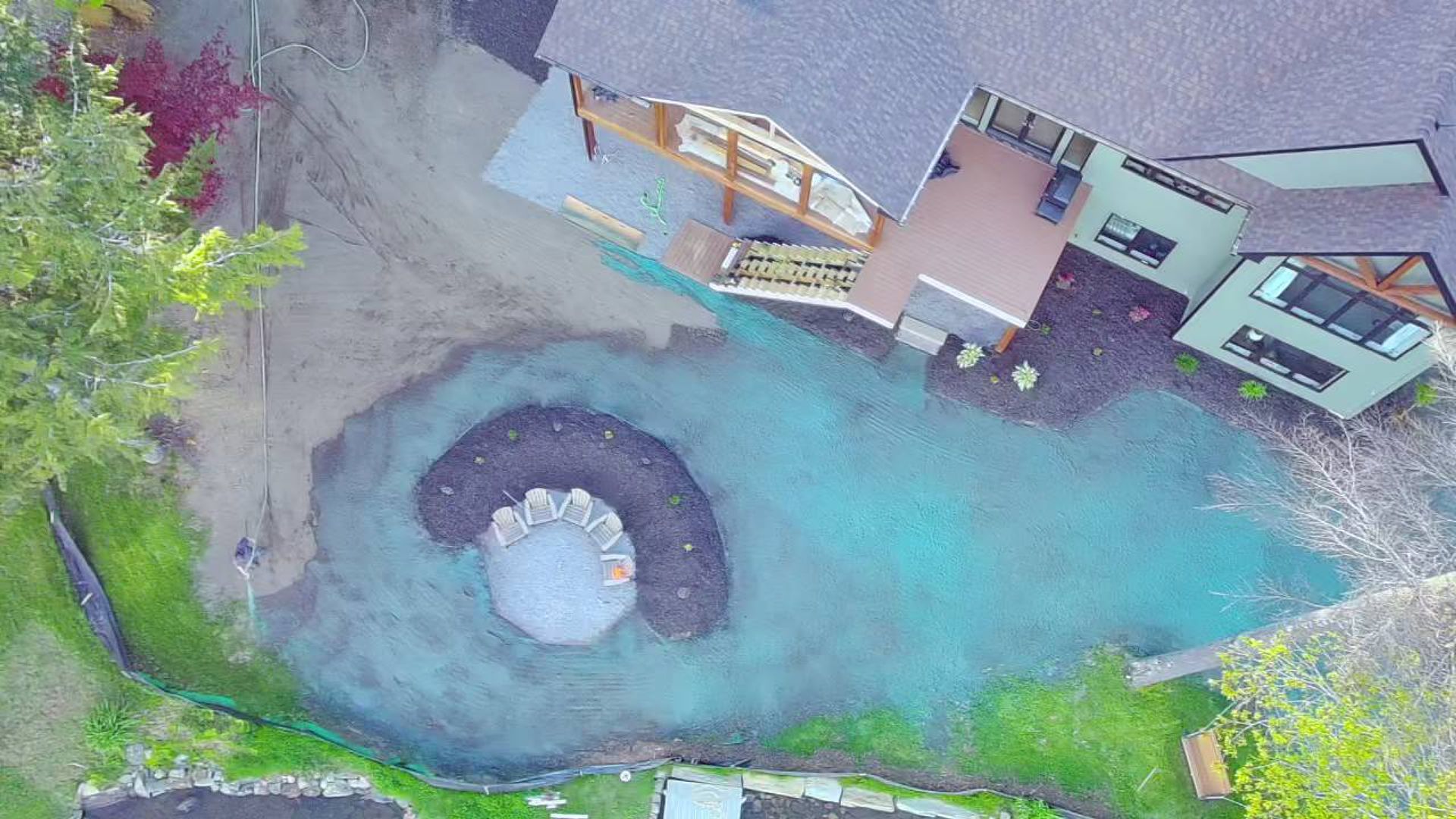
What Hydroseeding Installation Requires
Hydroseeding differs from broadcast seeding by combining seed with a mulch carrier that holds moisture against the soil and reduces seed movement from wind or water. The slurry is mixed in a tank and sprayed through a hose, allowing application on slopes, irregular terrain, and larger areas where hand seeding would leave uneven coverage. Seed selection depends on sun exposure, soil type, and intended use, with different blends for high-traffic residential lawns versus low-maintenance commercial turf.
As the application cures and germination begins, bare soil transitions to visible grass coverage. The mulch layer breaks down as turf roots into the soil, and the lawn becomes dense enough to handle foot traffic once the grass reaches mowing height. Properties with poor drainage or compacted soil may need additional grading or amendment beforehand to prevent standing water or uneven establishment.
Hydroseeding is scheduled when soil temperature and moisture support germination, typically spring or early fall. Common applications include new construction sites, eroded slopes, and properties replacing failed lawns.
What Clients Want to Know Before Starting
Hydroseeding projects depend on proper preparation, appropriate seed selection, and consistent watering during the establishment period.
What site preparation is needed before hydroseeding?
The soil surface is graded to eliminate low spots, debris is removed, and compacted areas are loosened so seed contact occurs uniformly and roots can penetrate without obstruction.
How is seed selected for the application?
Seed blends are chosen based on sun exposure, soil conditions, and the intended use of the lawn, with different mixes for shaded residential yards versus open commercial turf areas.
What does the hydroseed slurry contain?
The mixture includes grass seed, mulch fiber that holds moisture and prevents seed movement, and starter nutrients that support early root development after germination begins.
How does Litchfield's spring weather affect hydroseeding timing?
Cool nights and frequent rain in spring create favorable germination conditions, but projects are delayed if the ground remains saturated or if late frost threatens emerging seedlings.
When can the new lawn be mowed?
The lawn is ready for mowing once the grass reaches three to four inches in height and the root system has anchored sufficiently to prevent turf from lifting under mower wheels.
Evergreene Earthworks handles hydroseeding for residential and commercial properties throughout Litchfield and manages site preparation, application, and establishment guidance. Contact (207) 522-3733 to discuss your lawn project and request a site consultation.