Water Redirected Before It Damages Property
Drainage Work in Litchfield for properties with standing water, erosion, saturated areas, or runoff affecting driveways and structures
Properties in Litchfield face varied drainage challenges based on grade, soil type, and water flow during storms or snowmelt. Evergreene Earthworks addresses these issues with drainage solutions that include excavation, grading, and measures to redirect water away from structures and problem areas. The process starts by assessing current water flow and identifying necessary adjustments based on specific site conditions.
Drainage solutions depend on elevation changes, soil type, and how to prevent pooling. Excavation can create swales and install subsurface drainage, while grading shapes slopes for water diversion. Each property requires a tailored approach, as solutions for flat residential lots differ from those for sloped commercial sites.
Request a property evaluation to identify drainage issues and discuss suitable solutions.
Why Drainage Problems Happen and How to Stop Them
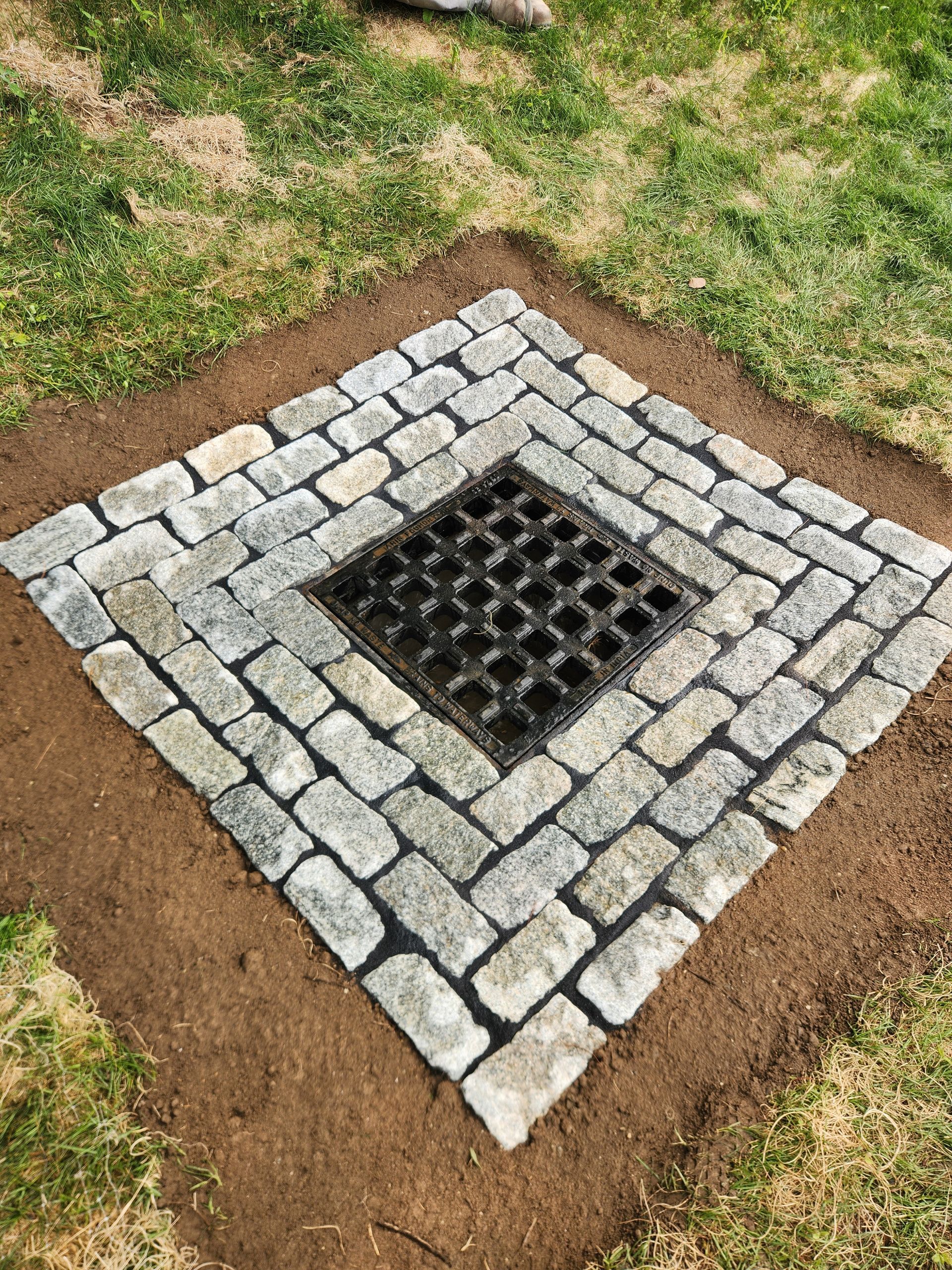
Water follows the path of least resistance, collecting in depressions when a property's grade or soil conditions don’t direct it away from structures. Effective drainage intercepts water before it reaches problem areas or redirects it to appropriate discharge points, potentially involving excavation, grade adjustments, or installing systems to manage subsurface flow.
Once completed, areas that previously held standing water after rain dry within hours, erosion along driveways ceases, and saturated zones near structures become stable. These improvements are noticeable during significant rain events as water flows along new drainage paths instead of pooling.
Drainage work often enhances other site improvements, ensuring new driveways prevent base saturation, supporting landscape projects by managing runoff, and addressing ongoing drainage issues with grading adjustments. Methods vary based on soil conditions, existing grades, and water volume.
Common Questions About This Service
Drainage questions usually focus on what causes water problems, what solutions are available, and how drainage work integrates with other property improvements.
What causes drainage problems on properties in Litchfield?
Common causes include inadequate slopes that don't move water away from structures, soil with poor permeability that prevents absorption, grading changes from construction or settling, and runoff from uphill areas that concentrates on lower portions of the property.
How is the appropriate drainage solution determined for a property?
The solution depends on where water originates, where it currently collects or flows, the existing site grades, and where water can be safely redirected without creating problems elsewhere.
What changes after drainage work is finished?
Standing water disappears from previously saturated areas, erosion stops in locations where runoff was washing away soil, and driveways or walkways remain dry and stable instead of developing soft spots or washouts.
Can drainage work be done without disrupting existing landscaping or driveways?
The extent of disruption depends on the drainage method required, as surface grading adjustments and swale creation may work around existing features, while subsurface installations require excavation along the drainage path.
When should drainage work be scheduled relative to other property improvements?
Drainage is often addressed before or during driveway installation, landscape construction, or grading projects, as coordinating drainage with other site work allows for integrated solutions and minimizes repeated mobilization.
Evergreene Earthworks evaluates each property's drainage concerns individually and recommends approaches based on observed site conditions and the specific water-management needs present. Call (207) 522-3733 to discuss your property's drainage issues and arrange a consultation.