Features That Turn Outdoor Areas Into Gathering Spaces
Fire Pits and Outdoor Living in Litchfield for properties where patios and hardscape need functional focal points
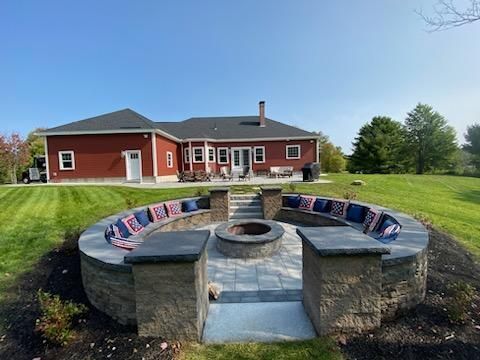
A fire pit becomes a focal point when integrated into the outdoor layout rather than added later. Evergreene Earthworks designs fire pits, gazebos, and other features to complement patios, walkways, and landscaping in Litchfield. This cohesive design encourages natural gatherings around the fire and enhances circulation and visual appeal.
Planning begins by assessing how the space will be used, including the number of people, nearby activities, and the relationship to seating, plants, and paths. This informs its placement, size, and choice of materials for a seamless look.
Schedule a consultation to explore how a fire pit or outdoor structure can enhance your landscape design.
Why Outdoor Features Work Best as Part of a Larger Plan
Installation entails preparing the area for the feature, coordinating grading and drainage, and constructing a structure that aligns with the property's hardscape. Fire pits require a stable base, a defined perimeter, and consideration for foot traffic and seating to prevent erosion. Gazebos need level foundations and strategic placement to connect with walkways and other outdoor areas.
Once completed, the new feature will organically draw people into the space, creating a sense of intentional movement. Seating around a fire pit aligns with pathways, while a gazebo provides shelter without obstructing views. The outdoor area becomes a cohesive design where each element supports the others, enhancing seasonal use and comfort.
Planning outdoor living features involves understanding the interaction of hardscape, planting, and circulation. Fire pits should complement nearby patios, gazebos can enhance views, and both should integrate lighting and seating walls to reinforce the design. The aim is to create inviting, complete outdoor spaces rather than isolated amenities.
Common Questions About Planning Outdoor Living Features
These questions come up regularly when property owners consider adding fire pits, gazebos, or similar features to their landscape.
How do you decide where a fire pit should be located?
Placement depends on how the space will be used, where seating makes sense, how the feature relates to existing hardscape, and practical considerations like drainage and distance from structures. The layout should encourage gathering while keeping the fire pit integrated with the property's circulation and overall outdoor design.
What preparation is required before installing a fire pit or gazebo?
The area must be graded to ensure stable footing and proper drainage, and the base must be prepared to support the structure without settling or shifting. This preparation often involves coordinating with nearby walkways, patios, or planting beds so the new feature ties into the surrounding landscape seamlessly.
Can outdoor living features be added to properties with slope or grade changes?
Features can be integrated into sloped properties, though the layout may require terracing, retaining walls, or grading adjustments to create level zones where structures sit and people gather. Litchfield's terrain often includes natural grade variation, so many projects involve some level of site preparation to make outdoor living areas functional and accessible.
What should be considered when planning seating or circulation around a fire pit?
Seating should allow comfortable access without creating congestion, and pathways should connect the fire pit to the rest of the outdoor area without forcing people to cross planting beds or step over edges. The surrounding hardscape and landscape layout should guide movement naturally rather than require guests to navigate obstacles.
How does a gazebo or outdoor structure affect the rest of the landscape?
These structures become visual anchors that influence how the entire outdoor area is perceived, so their placement, size, and style should reinforce the property's overall design. They can frame views, define activity zones, or provide shelter, but they work best when positioned with clear intent and integrated with adjacent hardscape and planting areas.
Evergreene Earthworks plans outdoor living features with an eye toward how each element fits into the broader landscape. Call (207) 522-3733 to discuss your intended use and begin planning an outdoor area that supports gathering and function year-round.